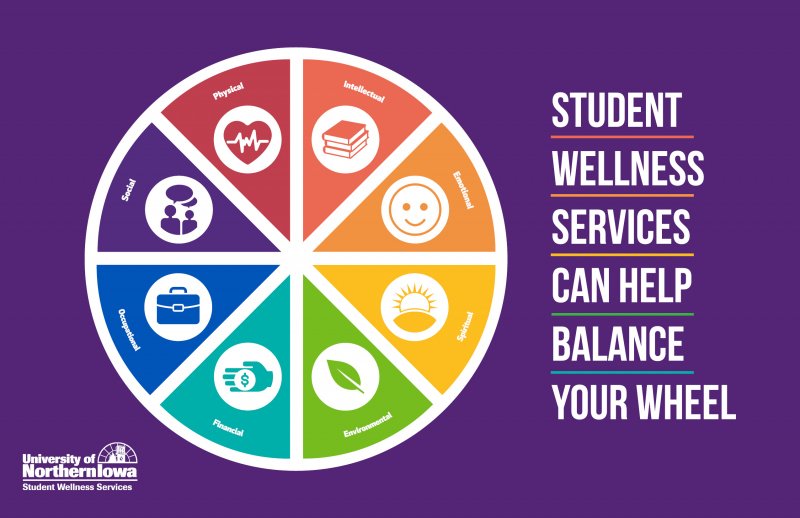
Stepping into university life is an exhilarating leap, a vibrant mosaic of new friendships, challenging courses, and boundless opportunities. Yet, amidst the excitement, it's easy for the pressures of academics, social integration, and future planning to accumulate, sometimes subtly, sometimes overtly. This is where robust Student Wellness & Support Services become not just a helpful resource, but an essential foundation for thriving, not just surviving. They are your university's commitment to ensuring your journey isn't just academically rich, but also personally fulfilling and mentally sound.
Think of these services as your personal support system, expertly designed to address the multifaceted challenges students face. From navigating the emotional rollercoaster of transitions to managing stress, building resilience, or simply finding a safe space to talk, a comprehensive wellness framework is crucial for your overall success.
At a Glance: Your Wellness Toolkit Essentials
- Holistic Support: Services go beyond academics, addressing your physical, mental, and emotional well-being.
- Expert Guidance: Access to qualified mental health professionals, including counselors, psychologists, and social workers.
- Proactive Well-being: Programs focused on self-care, mental health literacy, and building resilience, not just crisis intervention.
- Comprehensive Coverage: Integrated offerings like student insurance (health, travel, personal belongings) for peace of mind.
- Community Approach: Efforts to destigmatize mental health and foster a supportive, inclusive campus culture.
- Accessible Resources: A range of options from online tools and workshops to personalized therapy sessions.
More Than Just a Safety Net: Why Wellness is Non-Negotiable
University isn't just about earning a degree; it's about personal growth, discovering your identity, and honing skills that will serve you long after graduation. But none of this can truly flourish if your well-being is overlooked. When students are struggling with mental health challenges, stress, or socio-emotional difficulties, their academic performance, social engagement, and overall quality of life suffer significantly.
Consider the NUS experience. The Office of Student Affairs (OSA) Student Wellness team, composed of dedicated mental health professionals, understands this intricate link. With expertise spanning counselling, social work, psychology, and nursing, they're not just waiting for you to hit a wall; they're actively building bridges to prevent distress and guide you through various life stages, including challenging transitions or disciplinary processes. This proactive stance, led by individuals like Head John Chng and his team, including Joanne Quek, Leo Lee, Somesh Sailesh, V. Vijayalakshmi, and Yoon Thiri, ensures a robust support ecosystem.
The NUS Approach: Building Resilience, Fostering Community
At NUS, the commitment to student well-being extends deeply into the campus fabric. The Student Wellness team actively collaborates with faculty, student life staff, and administrative departments, as well as external community organizations and healthcare providers, to develop impactful, student-centric psychoeducational programs. These aren't just lectures; they're interactive sessions designed to equip you with practical knowledge and skills for self-care, effective help-seeking, mental health literacy, and resilience.
A core tenet of this approach is advocacy. The team works tirelessly to raise mental health awareness and destigmatize seeking help, aiming to cultivate a campus where prioritizing mental well-being is not just encouraged, but deeply ingrained in the culture. This dedication helps to create a truly resilient community, where students feel empowered to take charge of their emotional health. Beyond specific wellness initiatives, OSA generally supports the NUS student community through a broad spectrum of services, including residential admission, clubs, leaders’ training, community engagement, and disability support, all contributing to a holistic student experience.
Unpacking the Toolkit: What Student Wellness Services Offer
When you hear "Student Wellness & Support Services," what exactly comes to mind? It's often much broader and more comprehensive than students initially realize. Let's break down the key pillars of support designed to empower your journey.
Personalized Mental Health & Counselling
At the heart of many wellness programs is access to professional mental health support. This includes:
- Individual Counselling: One-on-one sessions with licensed professionals (psychologists, counsellors) who can help you navigate personal challenges, stress, anxiety, depression, relationship issues, or any emotional distress. These are confidential spaces where you can explore your thoughts and feelings without judgment.
- Group Therapy & Support Groups: Sometimes, connecting with peers facing similar struggles can be incredibly therapeutic. These groups provide a supportive environment for sharing experiences, learning coping mechanisms, and realizing you're not alone.
- Crisis Intervention: For urgent situations, immediate support is available to ensure safety and provide rapid assistance during acute distress.
For instance, NUS’s Amber+ Student Wellness program integrates personalized mental health counselling directly into its comprehensive offerings, making it easier for students to access tailored support when they need it most.
Proactive Wellness Programs and Workshops
Prevention and education are powerful tools. Universities offer a range of programs aimed at equipping you with skills to maintain your well-being proactively:
- Stress Management & Mindfulness: Workshops designed to teach practical techniques for managing academic pressure, exam anxiety, and daily stressors. This might include meditation, breathing exercises, and time management strategies. Understanding [mindfulness practices tailored for student life](placeholder_link slug="mindfulness-for-students" text="mindfulness practices tailored for student life") can be a game-changer.
- Mental Health Literacy: Education on common mental health conditions, recognizing warning signs in yourself and others, and knowing how to offer support or direct someone to help.
- Resilience Building: Programs focused on developing coping strategies, fostering self-compassion, and cultivating a growth mindset to bounce back from setbacks.
- Self-Care Strategies: Practical guidance on establishing healthy habits, including sleep hygiene, nutrition, physical activity, and setting boundaries.
These psychoeducational programs, often spearheaded by Residential Wellness Managers like Adrian Wan, Amanda Han, Jasmin Foong, and their colleagues (Jaya Rajesh, Jimmy Sim, Jowena Cheng, Lavina D'Cruz, Pragati Pritmani), ensure that support is available not just centrally but within your living environment too.
Comprehensive Health & Travel Insurance: The Safety Net You Didn't Know You Needed
Student insurance, as part of a larger wellness framework like Amber+, is a crucial component that often goes overlooked until it's needed. This isn't just a formality; it's a vital safety net:
- Medical Emergencies & Accidents: Covers costs associated with unexpected illnesses or injuries, from doctor visits to hospital stays. This can significantly reduce financial stress during a health crisis.
- Travel Mishaps: If you're studying abroad or even just traveling during breaks, this can cover lost luggage, trip cancellations, or medical emergencies that occur away from home.
- Loss or Damage to Personal Belongings: Protection for your laptop, phone, or other valuables, which can be invaluable in a busy student environment.
- Integrated Wellness Resources: Programs like Amber+ combine these insurance benefits with well-being services, offering a truly holistic support system that empowers proactive self-care. It's about more than just covering risks; it's about providing resources to help you thrive academically, personally, and socially. For a deeper dive into [understanding your student insurance options](placeholder_link slug="student-insurance-basics" text="understanding your student insurance options"), exploring your policy early is highly recommended.
Online Mental Health Support & Resources
In an increasingly digital world, access to support has evolved:
- Telehealth Services: Online therapy sessions, allowing you to connect with a counsellor from the comfort of your room.
- Mental Health Apps: Curated apps for mindfulness, mood tracking, or cognitive behavioral therapy (CBT) exercises.
- Resource Portals: University websites often provide extensive libraries of articles, self-help guides, and links to external support organizations.
These digital tools augment traditional services, making help more accessible and convenient for students with busy schedules or those who prefer virtual interaction.
Beyond Mental Health: Holistic Well-being
Student well-being encompasses more than just mental health. It refers to your overall health and happiness, touching on physical, mental, and emotional aspects. A robust support system recognizes this and provides:
- Student Discounts: Access to discounts on health and well-being products, such as fitness equipment or nutritional supplements, encouraging healthy lifestyle choices.
- Disability Support: Dedicated services to ensure an inclusive environment for students with disabilities, providing accommodations and resources.
- Community Engagement & Integration: Opportunities to get involved, build social connections, and foster a sense of belonging, which are critical for emotional well-being.
- Financial Wellness Advice: While less direct, managing finances can be a significant stressor. Some wellness centers offer resources or referrals for financial literacy.
Navigating Your Support Options: When and How to Seek Help
Knowing what services are available is one thing; knowing when and how to access them is another. The good news is, you don't need to be in a crisis to reach out. Many services are designed for proactive well-being and personal development.
Recognizing the Signs: When to Reach Out
It’s crucial to tune into your own well-being. Look out for persistent changes that impact your daily life, such as:
- Changes in Mood: Prolonged sadness, irritability, loss of interest in activities you once enjoyed.
- Sleep Disturbances: Difficulty falling asleep, staying asleep, or sleeping too much.
- Changes in Appetite/Weight: Significant increase or decrease.
- Academic Struggles: Difficulty concentrating, declining grades, missing deadlines. If you're struggling with [strategies for managing academic stress](placeholder_link slug="managing-academic-stress" text="strategies for managing academic stress"), support services can provide invaluable tools.
- Social Withdrawal: Isolating yourself from friends and family.
- Increased Anxiety: Persistent worry, panic attacks, or excessive fear.
- Physical Symptoms: Frequent headaches, stomach aches, or fatigue without a clear medical cause.
- Feeling Overwhelmed: A sense of being unable to cope with daily tasks or responsibilities, especially during major life changes like [navigating major university transitions](placeholder_link slug="navigating-university-transitions" text="navigating major university transitions").
Remember, you don't need a formal diagnosis to seek support. If something feels off, or you're simply finding it hard to cope, that's reason enough to connect with a wellness professional.
How to Access Services: A Step-by-Step Guide
- Start with Your University's Wellness Hub: Most universities have a central student wellness office or counseling center. At NUS, this would be the Office of Student Affairs (OSA) Student Wellness team. Their website is typically the best starting point for information, contact details, and appointment booking.
- Understand Initial Contact Points: Some services offer drop-in hours for immediate consultations, while others require scheduling an initial intake appointment. Know the process for your specific institution.
- Explore Different Modalities: Decide if you prefer in-person counselling, online therapy, or group workshops. Amber+ at NUS, for example, makes personalized mental health counselling readily available.
- Inquire About Insurance Coverage: If you have student health insurance, like that offered through Amber+, understand what services are covered and any co-pays or deductibles you might have.
- Utilize Residential Support: If you live on campus, your Residential Wellness Manager (like those at NUS) is a fantastic first point of contact for socioemotional guidance and referrals, often available right in your residential college or hall.
- Don't Hesitate to Ask Questions: When you make contact, ask about confidentiality, the types of therapy offered, and what to expect during your first session. This helps demystify the process.
Common Misconceptions About Student Wellness Services
Despite the clear benefits, several myths often prevent students from seeking the support they need. Let's debunk a few:
"It's Only for Students in Crisis."
Reality: While crisis intervention is a critical component, the vast majority of wellness services are designed for proactive support, personal development, and navigating everyday challenges. Many students use counselling to improve academic performance, enhance relationships, or simply learn better coping strategies. Think of it like going to the gym for preventative health, not just when you're injured.
"Someone Else Needs It More Than I Do."
Reality: This common thought often stems from a desire not to "burden" services. However, mental health is not a competition. If you are struggling, your struggles are valid, and you deserve support. Universities staff their wellness centers to meet the needs of their student population, and seeking help for yourself doesn't take away from others.
"It Means I'm Weak or Can't Handle Things."
Reality: Quite the opposite. Reaching out for help is a sign of strength and self-awareness. It demonstrates courage to acknowledge a challenge and a commitment to your own well-being. Even those who seem to "have it all together" benefit from wellness support.
"My Information Won't Be Confidential."
Reality: Licensed mental health professionals adhere to strict ethical codes and confidentiality laws. What you share in therapy remains private, with very limited exceptions (e.g., immediate threat of harm to yourself or others). This trust is fundamental to the therapeutic relationship.
"It's Too Expensive."
Reality: Most university counselling services are included in your tuition fees, meaning they are available at no additional direct cost. For services like specialized therapy or prescriptions, your student health insurance (like Amber+) often covers a significant portion of the cost. Always check your specific university's policy and your insurance plan.
Building Your Personal Wellness Strategy: Beyond Formal Support
While formal student wellness services are invaluable, building a personal wellness strategy is equally important. This involves integrating self-care practices into your daily life and understanding the [benefits of peer support networks](placeholder_link slug="benefits-of-peer-support" text="benefits of peer support networks").
The Pillars of Self-Care
- Adequate Sleep: Prioritize 7-9 hours of quality sleep. A consistent sleep schedule can dramatically improve mood and cognitive function.
- Nutritious Eating: Fuel your body and brain with balanced meals. Avoid excessive caffeine or sugar crashes.
- Regular Physical Activity: Even a short walk can boost mood, reduce stress, and improve focus. Find an activity you enjoy.
- Mindfulness & Relaxation: Incorporate practices like deep breathing, meditation, or simply taking breaks to be present.
- Social Connection: Maintain healthy relationships with friends, family, and peers. Combat isolation by engaging in campus activities or clubs.
- Time Management & Boundaries: Learn to effectively manage your academic and personal schedule, and don't be afraid to say no to commitments that overextend you.
- Engage in Hobbies: Make time for activities that bring you joy and help you de-stress, whether it's reading, playing music, or creative pursuits. This is part of what makes college life vibrant, not just academics. Speaking of vibrant college life, did you know some platforms offer unique [Marvel Rivals college perks](placeholder_link slug="college-perks-marvel-rivals" text="Marvel Rivals college perks") that blend gaming with student life? It's a fun example of how personal interests can intersect with the broader student experience.
Leveraging Peer Support and Campus Community
Your peers are an incredible source of support. Joining student clubs, volunteering, or participating in campus events can foster a sense of belonging and reduce feelings of isolation. Sharing experiences with friends who understand the unique pressures of university life can be incredibly validating. Many universities also offer peer mentoring programs, which provide guidance from older students who have successfully navigated similar challenges.
Cultivating this sense of community and connection is a key part of the broader mission of organizations like NUS OSA, which supports student clubs, leaders' training, and community engagement.
Looking Ahead: A Culture of Care and Success
The landscape of student wellness is continuously evolving, with universities increasingly recognizing that a student's well-being is intrinsically linked to their academic and personal success. Services are becoming more integrated, more accessible, and more focused on proactive care rather than reactive intervention.
By prioritizing your mental health, understanding the extensive resources available through Student Wellness & Support Services, and actively engaging in self-care, you are not just surviving your university years; you are setting yourself up to truly thrive. You are building resilience, honing coping mechanisms, and laying the groundwork for a successful and fulfilling life, both during your studies and beyond.
Don't wait for things to become overwhelming. Explore your university's wellness offerings today. They are there for you, every step of the way, helping you navigate the complexities of student life with confidence, strength, and unwavering support.