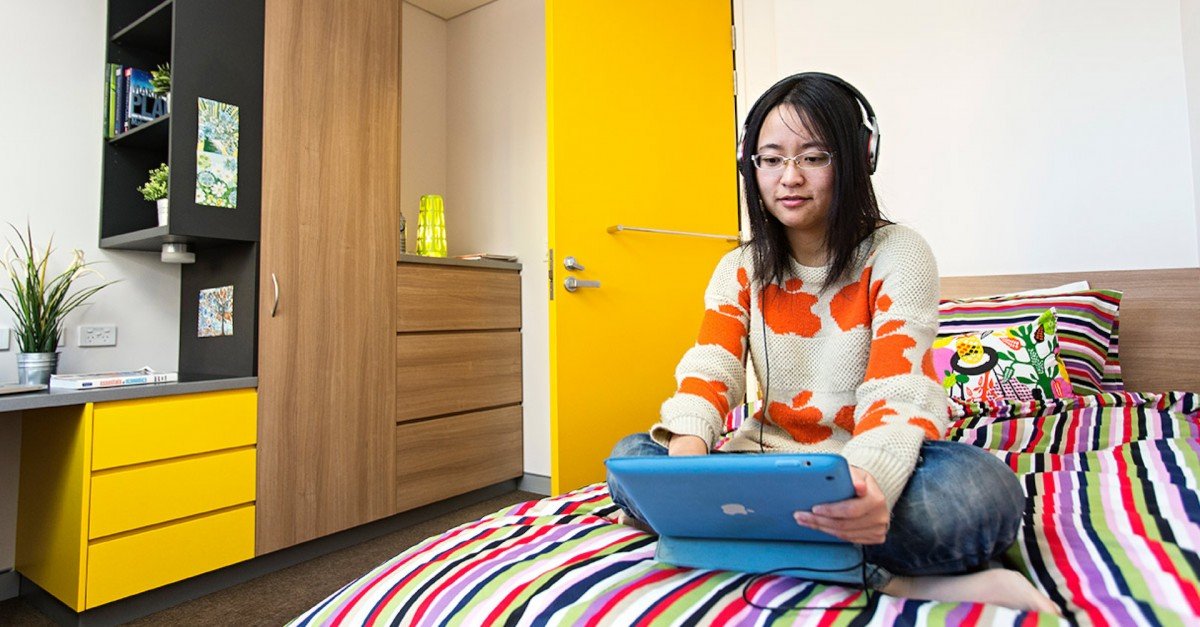
The moment you step onto a college campus, you're not just entering a school; you're entering a dynamic, self-contained ecosystem designed to foster growth in every dimension of your life. Modern Campus Living & Facilities are the silent architects of this experience, shaping everything from your academic performance to your personal well-being. Far beyond mere dorms and lecture halls, today's universities invest heavily in creating environments that are stimulating, supportive, and truly geared towards student success.
Think of it: the quality of your study space, the accessibility of a health clinic when you need it, the options available for a quick, healthy meal – these factors profoundly influence your daily life as a student. Gone are the days when basic amenities sufficed; students today expect and deserve spaces that are not just functional, but inspiring, inclusive, and technologically advanced.
At a Glance: What Modern Campus Living & Facilities Offer You
- Cutting-Edge Learning Environments: Interactive classrooms, specialized labs, and advanced digital libraries.
- Comfortable & Community-Focused Housing: Diverse residential options with amenities for living, studying, and socializing.
- Holistic Health & Wellness Support: On-campus clinics, counseling services, and robust fitness centers.
- Diverse & Convenient Dining: Multiple food options catering to various tastes and dietary needs.
- Vibrant Social & Recreational Spaces: Student unions, sports facilities, and areas for clubs and events.
- Robust Safety & Support Systems: Comprehensive security, emergency services, and accessible infrastructure.
- Seamless Digital Integration: High-speed Wi-Fi, tech support, and smart campus solutions.
More Than Just a Dorm Room: The Evolving Campus Ecosystem
The traditional image of college life, often limited to crowded lecture halls and spartan dorms, is a relic of the past. Today's university campuses are vibrant hubs, meticulously designed to support a holistic student experience. This evolution reflects a deeper understanding that academic achievement doesn't happen in a vacuum; it's intricately linked to a student's physical and mental well-being, their social connections, and their access to resources.
Universities are no longer just places of learning; they are communities. This shift has propelled significant investment into the quality and variety of campus facilities. From state-of-the-art research laboratories to serene meditation gardens, every space is considered an opportunity to enrich the student journey. The idea is to create an environment where students feel safe, challenged, and supported, allowing them to thrive academically, personally, and socially.
Academic Excellence Starts with Smart Spaces
Your primary mission at university is, of course, to learn and grow intellectually. Modern campuses understand this intimately, providing environments that actively enhance your academic pursuits. It’s not just about having classrooms; it’s about having the right kind of classrooms and learning support.
Cutting-Edge Classrooms and Interactive Learning
Forget rows of desks and chalkboards. Contemporary classrooms are designed for dynamic engagement. They often feature flexible seating arrangements, interactive whiteboards, advanced projection systems, and robust video conferencing capabilities. These spaces facilitate group work, presentations, and interactive discussions, moving beyond one-way lectures to truly collaborative learning experiences. This allows professors to employ diverse teaching methods, from flipped classrooms to hands-on problem-solving sessions, ensuring you're an active participant in your education.
Specialized Laboratories and Research Hubs
For many disciplines, hands-on experience is paramount. Universities like Telkom University Surabaya, for instance, boast an impressive 20 laboratories dedicated to various fields, providing students with direct access to the tools and technology relevant to their studies. Whether you’re analyzing samples in a biology lab, coding in a computer science center, or fabricating prototypes in an engineering workshop, these specialized facilities are critical. They bridge the gap between theoretical knowledge and practical application, equipping you with real-world skills and often sparking innovative research opportunities.
Libraries as Intellectual Command Centers
Today’s university libraries are far more than quiet repositories of books. While they still offer vast print collections, they've transformed into comprehensive intellectual hubs. Expect extensive digital databases, research assistance from expert librarians, and a variety of study environments – from silent individual carrels to collaborative group study rooms equipped with large screens. Many libraries also house media labs, printing services, and even cafés, making them central to both intense study and casual academic interaction. They are often integrated with online learning resources, ensuring you can access critical information even when off-campus.
Collaborative Study Zones and Open Learning Spaces
Beyond the formal library setting, campuses are peppered with diverse study areas. You'll find open study rooms, comfortable lounges in academic buildings, and even outdoor seating areas designed for focused work or group projects. These informal spaces often feature comfortable furniture, abundant power outlets, and excellent Wi-Fi, acknowledging that learning can happen anywhere and at any time. The aim is to provide flexible options that cater to different study styles and preferences, fostering a culture of continuous learning and peer interaction.
Your Home Away From Home: Residential Life Reinvented
For many, university is the first time living away from home, and the quality of your residential experience significantly impacts your overall satisfaction and success. Modern campus housing extends far beyond basic dorm rooms; it aims to create communities where students can live, study, and thrive together.
Variety of Housing Options
Today's campuses offer a spectrum of residential choices. You might find traditional dormitory-style rooms with shared bathrooms, suite-style arrangements where a few rooms share a common living area and bathroom, or even apartment-style living complete with kitchens and individual bedrooms. Some universities offer themed housing focused on academic interests, cultural identity, or specific year groups, allowing you to connect with like-minded peers right from the start. This variety ensures you can find an option that best fits your comfort level, budget, and desired living experience.
Amenities Within Residences
Residential halls are no longer just places to sleep. They are equipped with a host of amenities designed for convenience and community. This often includes on-site laundry facilities, common lounges with comfortable seating and TVs, study rooms, and communal kitchens. Many residences also have dedicated staff, like Resident Assistants (RAs), who organize social events, provide peer support, and help foster a positive living environment. High-speed internet access, often both wired and wireless, is a standard expectation, ensuring seamless connectivity for academics and social life.
Building Community and Support Networks
Living on campus is a unique opportunity to build lasting friendships and a robust support network. Residential life programs actively promote community building through social events, workshops, and shared activities. These experiences are invaluable for navigating the challenges of university life, from finding study partners to simply having someone to share a meal with. The close-knit environment fosters a sense of belonging, which is crucial for mental well-being and academic perseverance, especially during your first year.
Nourishing Body and Mind: Dining & Wellness Facilities
A healthy body and mind are fundamental to academic success. Modern universities prioritize student well-being by offering extensive dining options and comprehensive health services, ensuring you have the resources to stay physically and mentally strong.
Diverse and Convenient Dining Options
Gone are the days of one-size-fits-all cafeteria food. Today’s campus dining facilities rival commercial food courts in variety and quality. You'll often find multiple dining halls, casual cafés, grab-and-go stations, and even on-campus restaurants, each offering different cuisines and dining experiences. Crucially, universities are highly attuned to dietary needs, providing extensive options for vegetarian, vegan, gluten-free, allergen-sensitive, and halal diets. The goal is to provide convenient, healthy, and appealing food choices that fuel your body and mind throughout your busy schedule.
Accessible Health Clinics and Services
Access to medical care is a significant concern for students, especially those living away from home. Most campuses feature on-site health clinics, often staffed by nurses and doctors, providing basic medical services, urgent care for minor illnesses or injuries, and referrals to specialists. Universities like Telkom University Surabaya highlight their dedicated health clinics as a key supporting facility. These clinics are designed to be easily accessible, offering a convenient and confidential resource for your physical health needs, ensuring you don’t have to navigate complex external healthcare systems for routine concerns.
Counseling and Mental Health Support
Recognizing the increasing pressures students face, mental health services are now a cornerstone of campus wellness. University counseling centers offer a range of services, including individual therapy, group counseling, crisis intervention, and workshops on stress management, mindfulness, and resilience. These services are typically confidential and often free or low-cost, providing vital support for students dealing with anxiety, depression, academic stress, or other personal challenges. Creating a supportive environment where students feel comfortable seeking help is a top priority.
Fitness Centers and Recreational Sports
Staying active is essential for both physical health and stress relief. Modern campuses boast impressive fitness centers, often equipped with state-of-the-art cardio machines, weightlifting equipment, and dedicated spaces for group fitness classes like yoga, Zumba, or spin. Beyond the gym, universities frequently offer extensive recreational sports facilities. Telkom University Surabaya, for instance, provides both open fields and sports buildings, catering to a variety of activities. You'll find basketball courts, tennis courts, swimming pools, indoor tracks, and multi-purpose sports halls. These facilities support intramural sports leagues, club sports, and casual pick-up games, encouraging a healthy, active lifestyle and providing a crucial outlet for energy and camaraderie. If you're looking for even more ways to enjoy your downtime and stay active, you might also want to Explore Marvel Rivals college perks offered on some campuses, blending digital recreation with campus life.
Beyond the Books: Social, Spiritual, and Support Hubs
Campus life isn't solely about academics and personal well-being; it's also about exploration, community engagement, and discovering who you are outside the classroom. Universities provide a wealth of facilities that cater to these broader aspects of student development.
Vibrant Student Unions and Common Areas
Student unions serve as the living room of the campus – a central hub where students can relax, socialize, study, grab a coffee, or attend events. These multi-purpose buildings often house dining options, recreational games (pool, foosball), comfortable lounges, and meeting rooms for student organizations. They are designed to foster a sense of community and provide a welcoming space for informal gatherings and organized activities, acting as a crucial element in creating a lively campus atmosphere.
Places of Worship and Spiritual Life
For many students, faith and spirituality are an important part of their identity. Recognizing this, universities often provide dedicated places of worship for various faiths, as highlighted by Telkom University Surabaya. These spaces offer quiet reflection, communal prayer, and opportunities for students to connect with others who share their beliefs. Beyond physical spaces, many campuses also have interfaith chaplaincies or student groups that support spiritual growth and provide a sense of community for students of all backgrounds.
Event Spaces and Performance Venues
University life is punctuated by a rich calendar of events, from guest lectures and concerts to theatrical performances and student-led conferences. Campuses feature dedicated auditoriums, theaters, and multi-purpose halls equipped with professional-grade sound and lighting systems to host these diverse activities. These venues not only enrich the cultural life of the university but also provide students with opportunities to showcase their talents, develop leadership skills, and engage with a wider audience.
Hubs for Student Organizations and Clubs
Student organizations are the lifeblood of campus social activity. Modern facilities provide dedicated meeting rooms, office spaces, and resource centers for these clubs. This support ensures that student groups, whether academic, social, cultural, or advocacy-focused, have the infrastructure they need to operate effectively, plan events, and recruit new members. These spaces are vital for fostering student leadership, promoting diverse interests, and allowing you to find your niche within the broader university community.
Comprehensive Support Services
Beyond the core academic and residential facilities, universities offer a network of support services designed to help you navigate every aspect of your student journey. This includes:
- Career Services: Assistance with internships, job searching, resume building, and interview skills.
- IT Support: Help with campus networks, software, hardware, and digital tools.
- Disability Services: Accommodations and support for students with disabilities.
- International Student Services: Guidance and resources for students from abroad.
- Tutoring and Writing Centers: Academic assistance to help you excel in your courses.
These facilities and services create a robust safety net, ensuring that help is available whenever and wherever you need it.
Safety, Security, and Accessibility: Foundations of Peace of Mind
Feeling safe and secure, and knowing that your environment is accessible, are non-negotiable foundations for a positive university experience. Modern campuses invest heavily in these areas to ensure every student can thrive without undue worry.
Comprehensive Campus Security Measures
University campuses are designed with safety in mind. This includes visible campus police or security patrols, well-lit pathways, emergency call boxes strategically placed across campus, and controlled access to residential buildings. Many campuses also utilize sophisticated surveillance systems and offer safety apps that allow students to quickly contact security or share their location with trusted friends. Training and awareness programs are often in place to educate students on personal safety and emergency procedures.
Emergency Services and Preparedness
Beyond daily security, universities have robust emergency response plans for various scenarios, from medical emergencies to natural disasters. On-campus clinics are often equipped to handle immediate medical needs, and staff are trained in first aid and CPR. Clear communication channels, such as alert systems via text message or email, are in place to quickly inform the campus community of any immediate threats or important updates, ensuring everyone remains safe and informed during critical situations.
Accessibility Features for All Students
An inclusive campus is an accessible campus. Modern facilities are built or renovated with universal design principles in mind. This means ramps, elevators, accessible restrooms, automatic door openers, and clear wayfinding signage are standard. Universities also provide accommodations for students with various disabilities, such as assistive technology in labs and libraries, sign language interpreters, and adapted housing options. The goal is to remove physical and systemic barriers, ensuring that all students can fully participate in campus life and access every resource available to them.
Making the Most of Your Campus Environment
Understanding the breadth of Campus Living & Facilities is one thing; actively utilizing them is another. Here's how to ensure you leverage these resources to their fullest potential.
How to Evaluate Facilities During Campus Visits
When you visit a prospective university, don't just admire the architecture. Pay close attention to the facilities:
- Residence Halls: Ask to see a variety of room types. Note the cleanliness, common areas, laundry facilities, and security measures. Talk to current residents if possible.
- Academic Buildings: Walk through labs, classrooms, and study spaces. Do they look modern and well-maintained? Is the technology up-to-date?
- Library: Explore beyond the main reading rooms. Look for quiet study zones, collaborative spaces, and access to digital resources.
- Dining Halls: Check out the variety of food options, cleanliness, and how they handle dietary restrictions.
- Health & Wellness: Locate the health clinic and counseling center. Inquire about services, hours, and appointment procedures.
- Recreational Facilities: Visit the gym, sports fields, and any other facilities relevant to your interests.
- Accessibility: If you have specific accessibility needs, explicitly ask about accommodations and tour relevant facilities.
Utilizing Resources Effectively
Once you're on campus, be proactive:
- Attend Orientations: These sessions often provide tours and introductions to key facilities and support staff.
- Explore the Website: University websites typically have detailed information on all facilities, their locations, and operating hours.
- Ask for Help: Don't hesitate to visit the health clinic, counseling center, or academic support services when you need them. They are there for you.
- Get Involved: Join clubs or intramural sports that utilize specific facilities, connecting you with both the spaces and the community.
- Report Issues: If something is broken or unsafe, report it to the appropriate campus department (e.g., residential life, facilities management) to ensure it gets addressed promptly.
Getting Involved and Building Connections
The facilities are just the infrastructure; it's the people and programs within them that create the true campus experience.
- Join Student Organizations: Whether it's a debate club meeting in a student union room or a photography club using a media lab, organizations are fantastic ways to utilize facilities and meet like-minded individuals.
- Participate in Campus Events: From concerts in the auditorium to fitness challenges at the gym, campus events are designed to bring students together and showcase the university's vibrant offerings.
- Volunteer: Many facilities, like the library or recreational centers, offer student employment or volunteer opportunities, providing valuable experience and a chance to get to know the staff and operations.
Common Questions About Campus Facilities
Navigating a new campus can bring up a lot of questions. Here are some common ones and their straightforward answers:
Are facility usage fees included in tuition?
Often, basic access to facilities like libraries, fitness centers, and health clinics is covered by your tuition or a mandatory student activities fee. However, some specialized services (e.g., extensive counseling, specific lab materials, or premium dining plans) might incur additional charges. Always check the university's fee breakdown for specifics.
Can I customize my dorm room?
Generally, yes, within reasonable limits. Most universities encourage students to personalize their dorm rooms to make them feel like home. This typically includes bringing your own bedding, decorations, small appliances (check restrictions on cooking appliances), and furniture (if space allows). However, policies usually prohibit permanent alterations, painting, or anything that damages the room's structure.
What if I have special needs or require accommodations?
All reputable universities have a dedicated disability services office or similar department. You should contact this office well in advance of your arrival to discuss your specific needs (e.g., accessible housing, academic accommodations, assistive technology) and arrange for appropriate support. They are equipped to ensure you have equal access to all campus facilities and resources.
How do I report maintenance issues or safety concerns?
Universities typically have clear protocols for reporting issues. For residential halls, you'd usually report to your Resident Assistant (RA) or the building's front desk/housing office. For general campus facilities, there's often an online portal or a dedicated facilities management department you can contact. For immediate safety concerns, contact campus security or emergency services directly.
Your Campus: A Partner in Your Journey
The modern university campus is an intricate network of spaces and services, all working in concert to support your growth. From the state-of-the-art labs that propel your academic pursuits to the welcoming residence halls that become your community, and the diverse dining options that fuel your day, every facility is a piece of a larger puzzle designed for your success.
As you embark on your university journey, remember that these facilities are not just amenities; they are resources waiting to be leveraged. Engage with them, explore them, and allow them to enhance every aspect of your experience. A well-utilized campus environment can transform your college years from a series of classes into a truly transformative period of learning, discovery, and personal evolution. Your campus is ready to be a full partner in your success – all you have to do is step in and make it yours.